
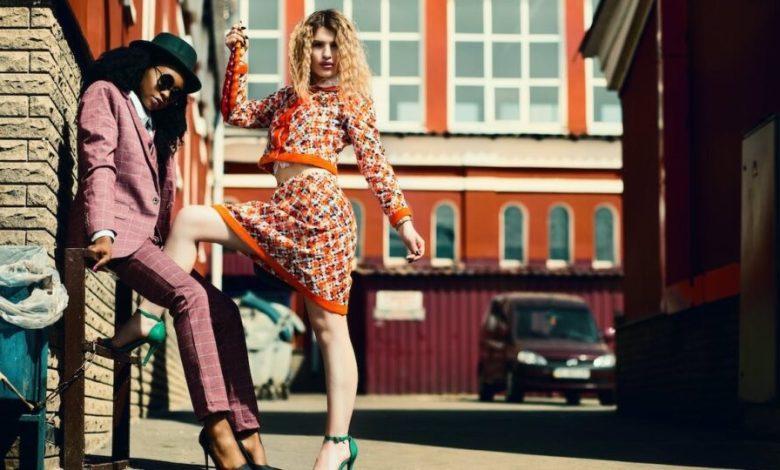
Every runway season carries an undercurrent of familiarity, but today’s fashion landscape is experiencing something far more deliberate than routine nostalgia. Fashion has always moved in cycles, yet the modern obsession with vintage clothing goes well beyond superficial aesthetic homage. Contemporary designers are no longer simply borrowing a pastel palette from the sixties or lifting an oversized shoulder pad from the eighties to create a fleeting runway spectacle. Instead, they are dissecting archival garments down to their construction methods, textile weights, and cultural narratives. In an industry exhausted by lightning-fast digital micro-trends and disposable synthetic fabrics, vintage design serves as both an aesthetic compass and a structural corrective for modern fashion collections.
The Rejection of Disposable Fashion and the Return to Heritage Construction
Much of the current vintage revival is driven by a profound fatigue with fast fashion. Over the past two decades, high-speed global supply chains normalized lightweight synthetic fibers, glued interfacing, and single-needle overlock stitching designed for rapid turnover rather than longevity. As consumers and designers alike confront closets packed with garments that pill, warp, and unravel after a handful of washes, historical garments provide a visceral reminder of what clothing used to be.
When modern creative directors look to vintage garments—particularly mid-century military uniforms, early twentieth-century utility workwear, and bespoke Savile Row tailoring—they are studying physical durability. Contemporary high-end collections increasingly feature dense natural textiles, such as heavy fourteen-ounce raw selvedge denim, tight-weave Irish linen, and boiled wool melton. Modern collections are also reviving forgotten construction details: full floating canvas interlinings in blazers, bound interior seams, hand-stitched buttonholes, and generous hem allowances that allow garments to be tailored and altered over a lifetime. Vintage is not just dictating how modern clothes look on the outside; it is rewriting how they are engineered on the inside.
Deconstructing and Reimagining Iconic Era Silhouettes
Rather than staging faithful historical reenactments, modern collections capture the tension between past and present by colliding silhouettes from disparate eras.
The Architectural Rigor of Mid-Century Tailoring
The exaggerated drape and architectural confidence of the 1940s and 1950s have made a triumphant return to contemporary runways. Designers are pulling inspiration from the zoot suit and post-war power tailoring, creating high-waisted trousers with deep double pleats, generous leg openings, and structured shoulders that frame the body with authority.
However, modern collections avoid the stiffness of the past. Contemporary houses replace rigid horsehair stiffeners with soft, fluid wools and unlined constructions, allowing a vintage-inspired double-breasted suit to move with the ease of loungewear while retaining its commanding profile.
The Subversive Fluidity of 70s Bohemianism and 90s Minimalism
At the opposite end of the structural spectrum, designers continually mine the languid, subversive energy of the late twentieth century. From the 1970s, runways inherit elongated dagger collars, high-rise flared trousers, and rich, earthy corduroys that ground outfits in organic warmth.
From the 1990s, collections draw upon stripped-back minimalism: sleek bias-cut silk slip dresses, utilitarian cargo detailing, and slouchy, drop-shoulder tailoring popularized by early Belgian and Japanese avant-garde designers. By pairing a 1990s minimalist slip dress with a structured 1940s overcoat, modern stylists create an eclectic temporal dialogue that feels fresh, rebellious, and deeply individual.
Materiality, Patina, and the Allure of Imperfection
One of the most noticeable ways vintage trends have transformed modern collections is in surface treatment. Pristine, untouched fabrics can often read as sterile or synthetic to the modern eye. Today’s consumers and designers find luxury in character, texture, and the appearance of a lived-in history.
To capture this authentic patina, fashion houses invest heavily in specialized garment-dyeing and distressing techniques. Runways showcase leather jackets treated with abrasion to mimic decades of road wear, denim washed with natural enzyme baths to replicate twenty years of honest fading, and raw, unfinished hems that soften naturally with use. This aesthetic of deliberate imperfection challenges the traditional definition of luxury, proving that a garment gains value, dignity, and visual interest when it bears the subtle markings of time.
Archival Curation: Luxury Houses Mining Their Own History
The modern luxury market has essentially transformed heritage fashion houses into living museums. Major heritage brands maintain extensive temperature-controlled archives containing thousands of historic runway pieces, original design sketches, and textile swatches dating back over a century. Creative directors now function as much as curators as they do illustrators.
Reissuing iconic archival bags or reinterpreting landmark runway silhouettes from twenty or thirty years ago is no longer viewed as creative stagnation; it is celebrated as an assertion of authenticity. Consumers who grew up in the digital era are drawn to physical provenance. When a contemporary designer releases a collection that explicitly dialogues with an iconic 1990s runway presentation or revives an authentic equestrian hardware motif from the 1960s, it connects the customer to a rich, uninterrupted brand history that direct-to-consumer startups cannot manufacture overnight.
Upcycling and the New Era of Circular Luxury
Perhaps the most revolutionary expression of vintage influence on modern collections is the integration of physical vintage materials into contemporary garments. Designers are no longer satisfied with merely mimicking old aesthetics; they are taking original vintage artifacts and reconstructing them into high-fashion statements.
Forward-thinking labels scour flea markets, estate sales, and textile warehouses for antique quilts, deadstock military canvas, embroidered lace table linens, and vintage workwear jackets. These found materials are meticulously cleaned, stabilized, and assembled into one-of-a-kind overcoats, chore jackets, and trousers.
This upcycling practice solves two crucial challenges at once: it provides an alternative to the ecological destruction of mass textile production, and it guarantees the wearer a garment with true narrative uniqueness. When an overcoat is constructed from a hand-stitched 1930s patchwork quilt, the wearer carries a piece of tangible domestic history into the modern streetscape.
The enduring power of vintage clothing over modern collections reveals a deeper cultural yearning for substance in an era dominated by fleeting digital novelties. Vintage is not a nostalgic retreat into costume or a temporary seasonal theme; it is a profound reimagining of how we relate to what we wear. By combining historic silhouettes, honest natural materials, archival narratives, and circular upcycling practices, contemporary fashion is carving out a new identity. In looking back over their shoulders, designers are not running away from the future—they are retrieving the foundational tools required to build clothes that actually last.


