
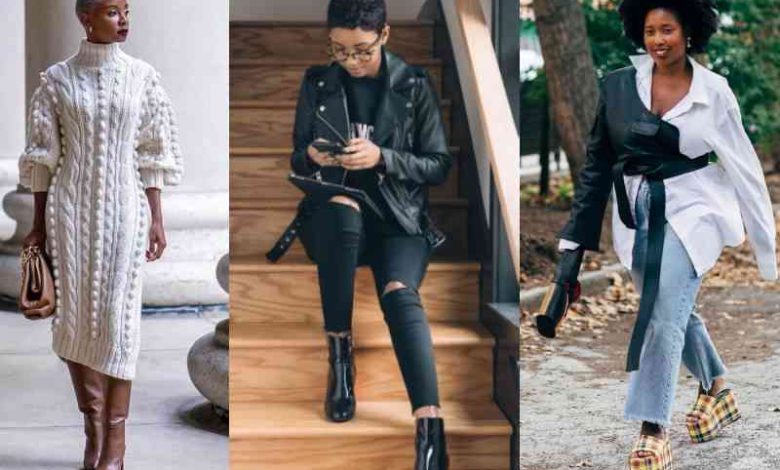
The fashion industry thrives on the idea that looking exceptional requires substantial financial investment. Marketing campaigns routinely equate sophistication with four-figure price tags and prominent designer logos, leading many to believe that great personal style is an expensive hobby. In reality, dressing well has very little to do with how much money you spend.
True elegance is rooted in proportion, textile care, thoughtful color palettes, and deliberate execution. When you examine individuals who consistently look polished, their secret is rarely an unlimited budget. Instead, they rely on a curatorial mindset, understanding that a well-maintained, properly fitted inexpensive garment will consistently outperform a neglected luxury piece. By applying a few strategic styling principles, you can elevate your everyday wardrobe without straining your finances.
Treat Inexpensive Tailoring as an Essential Upgrade
The most pervasive tell of inexpensive, fast-fashion clothing is not the fabric itself, but the generic, boxy cut. Mass-market retailers cut patterns to fit the widest possible range of body shapes, which invariably means their clothes fit almost no one properly straight off the rack.
Budgeting an extra fifteen to twenty dollars to alter a budget garment transforms its entire character. A skilled neighborhood tailor can turn a twenty-five-dollar pair of off-the-rack trousers into something that looks custom-made.
-
Trouser hems and tapers: Shortening pants to eliminate messy pooling around the shoes immediately sharpens your silhouette. Slightly tapering the leg from the knee down creates a clean, intentional line.
-
Sleeve and waist adjustments: Shortening blazer or jacket sleeves so your shirt cuff peeks out by a quarter inch changes an outfit from looking borrowed to looking made-for-you. Nipping in the sides of an unstructured jacket or button-down removes excess, billowy fabric that cheapens your frame.
-
Button replacements: One of the quickest, most affordable DIY upgrades is replacing cheap, shiny plastic buttons with matte horn, faux-tortoiseshell, or mother-of-pearl alternatives. Swapping buttons on a trench coat, cardigan, or blazer elevates the entire piece for just a few dollars.
Lean into Tonal and Monochrome Ensembles
One of the easiest ways to project refinement on a modest budget is through tonal dressing—wearing garments within the exact same color family. When an outfit features multiple competing patterns and high-contrast colors, slight variations in fabric quality become immediately obvious. In contrast, monochrome palettes blur price points by focusing the eye on silhouette and cohesion.
An all-black outfit is universally forgiving; black absorbs light, obscuring fabric imperfections, uneven stitching, and modest weaves. However, monochrome dressing works equally well with lighter neutrals when done properly.
Layering varying shades of ivory, stone, and oatmeal looks exceptionally luxurious, as does pairing a navy knit with dark indigo jeans and a navy wool coat. The key to making monochrome work without looking flat is mixing different textures: pair a ribbed knit sweater with smooth cotton chinos, or a crisp poplin shirt with textured corduroy or denim.
Be Selective About Fabric Content and Weight
You do not need to buy pure cashmere or Italian silk to look polished, but you do need to develop an eye for textile integrity. Thin, shiny synthetics that cling to the body and trap static are the clearest indicators of low-cost production.
Whenever you shop, look at the interior garment care tags before looking at the design.
Prioritizing Weight and Natural Blends
Aim for natural fibers like cotton, linen, and wool, or high-performing semi-synthetics like modal and viscose. Even in budget retailers, you can frequently find one hundred percent cotton garments—from heavy jersey tees to sturdy denim—that age gracefully and hold their structure through countless washes.
If you are buying synthetic blends, pay attention to the fabric’s heft and weave density. Medium-to-heavyweight textiles naturally drape with architectural grace, smoothing over body lines rather than wrinkling at every crease. Steer clear of acrylic knits that feel squeaky between your fingers, as they pill aggressively after a single wash. Instead, opt for tightly spun cotton-blend knits or compact ponte fabrics that retain their shape throughout an entire day of movement.
Master the Art of Garment Maintenance
The most expensive garment in the world looks cheap if it is covered in lint, rumpled, or pilled. Conversely, inexpensive clothes look remarkably upscale when they are meticulously maintained. Garment care is free, yet it provides the highest return on investment for your personal style.
-
Invest in a handheld fabric shaver: Knits of all price points eventually develop pills from friction around the underarms and torso. Running a ten-dollar electric fabric defuzzer over sweaters, coats, and fleece instantly restores their original, crisp appearance.
-
Steam instead of iron: Traditional irons can scorch delicate fibers and leave an unsightly, shiny glaze on synthetic blends and wool. A compact handheld garment steamer releases deep wrinkles quickly, relaxes stiff fabrics, and revives the natural volume of your clothes without flattening the texture.
-
Wash less, wash cold, and line dry: Heat is the ultimate enemy of clothing longevity. High dryer temperatures break down elastane, shrink cotton, and fade dark dyes. Washing your clothes in cold water on gentle cycles and hanging them to air-dry preserves fabric saturation and elasticity for years.
Shift Outerwear and Footwear Sourcing to Resale
Not every element of your wardrobe can be bought cheaply at mass retail without sacrificing quality. Two critical categories determine how expensive your overall look appears: your outerwear and your footwear. A flimsy, unlined coat or scuffed, peeling faux-leather shoes will drag down whatever you are wearing underneath.
Instead of buying new, poorly constructed outerwear from fast-fashion chains, redirect that budget toward the secondhand market. Online consignment platforms, local vintage shops, and thrift stores are filled with vintage wool overcoats, trench coats, and genuine leather boots from legacy heritage brands.
Because older garments were often produced with superior structural tailoring, sturdier wools, and full-grain leathers, a vintage coat purchased for fifty dollars will almost always outlast and outshine a new two-hundred-dollar synthetic coat from a shopping mall.
Build a Small Arsenal of Purposeful Hardware
Accessories should serve as quiet punctuation marks rather than loud focal points. Overloading an outfit with trendy costume jewelry or logo-covered bags frequently backfires, creating a cluttered look that draws scrutiny to the pieces.
Focus instead on simple, purposeful accents. A clean, unbranded leather belt with solid brass or brushed silver hardware anchors your waistline. A minimalist leather watch with a clean face adds an element of timeless utility. A structured tote bag or crossbody with clean geometric lines and minimal branding always appears more refined than a slouchy bag weighed down by excessive zippers, charms, and faux-gilt chains.
Looking stylish on a budget is fundamentally about developing discernment. When you stop chasing fleeting aesthetic trends and start investing in proper fit, careful fabric selection, and thorough maintenance, your wardrobe becomes effortlessly cohesive. Style is not a financial transaction; it is a discipline of deliberate choices that anyone can master.